How to Build a Lucki Type Beat That Also Works for Veeze
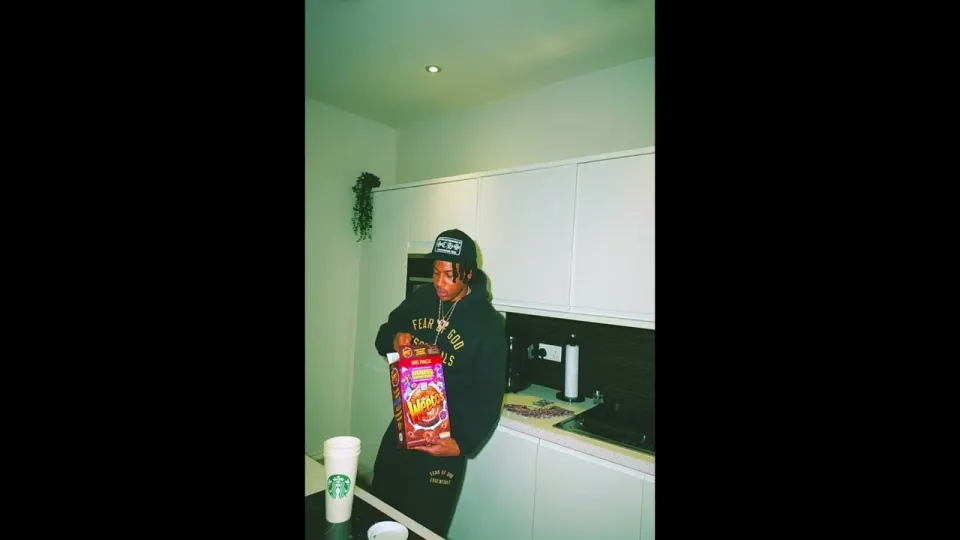
Video: LUCKI TYPE BEAT X VEEZE TYPE BEAT - "MANIFEST"
· based on the channel Bayro
Key takeaways
- "MANIFEST" by producer Bayro is a Lucki x Veeze type beat at 152 BPM, free for non-profit use with credit [prod. Bayro].
- The full license and purchase link is https://bsta.rs/l4UiAM, and the catalog sits at bayrodoit.beatstars.com with a buy-2-get-1-free offer.
- Lucki's Chicago melodic style and Veeze's Detroit deadpan delivery share tempo range and drum minimalism, which is why one beat can serve both.
- Key production targets: 140–160 BPM, minor-key loops, sparse 808 patterns and space for dense, low-energy vocal stacks.
- Non-profit use requires the producer credit in the title; commercial release needs the paid license.
A Lucki type beat is a melodic trap instrumental built around minor-key loops, sparse drums and low, hypnotic 808s, and the version that also works for Veeze keeps that same space while adding Detroit-style bounce. The "MANIFEST" beat from producer Bayro is a working example at 152 BPM, and you can grab the licensed file through the purchase link for "MANIFEST" before building your own.
What makes a Lucki type beat different from a generic trap beat
Lucki's sound is defined less by tempo than by restraint: the loops are hazy and often filtered, the drums sit low in the mix, and the vocal is allowed to smear into the beat rather than punch through it. Producers chasing that Chicago melodic trap feel usually start with a 4- or 8-bar loop in a minor key, keep the kick pattern simple, and let the 808 glide instead of hitting every beat.
A practical checklist for the Lucki side of the beat:
- Pick a tempo between roughly 130 and 160 BPM; "MANIFEST" sits at 152, which is fast enough for double-time flows but slow enough for slurred delivery.
- Build the loop first — a detuned synth, a pitched vocal chop or a filtered guitar sample — and keep it loopable for at least 8 bars without variation.
- Use a soft or clipped kick rather than a hard-hitting trap kick, and place the 808 with glide notes on the tail of phrases.
- Leave the midrange open: Lucki-style vocals are dense and layered, so a beat that fills 300 Hz to 2 kHz will fight the artist.
- Add texture — vinyl noise, tape hiss, reverb tails — to get that trippy, washed-out atmosphere.
How Veeze changes the drum and groove choices
Veeze's Detroit style pushes the same instrumental toward a more conversational, deadpan pocket, so the drums need a little more forward motion without getting busy. Where a pure Lucki beat might sit almost entirely on the loop, a Lucki x Veeze beat usually adds a second percussion layer — light hats, a shaker or a rim click — that keeps the track moving under a rapped-not-sung delivery.
Detroit type beat production tends to favor clean low end and a slightly drier mix, so if you are aiming at both artists, keep reverb on the 808 short and put the space on the melodic elements instead. The Pierre Bourne-influenced school of bright, simple synth loops is a useful reference point here, but pull the brightness back so the beat still reads as dark type beat material.
Setting up a 152 BPM session step by step
Starting from a fixed tempo removes most of the guesswork, and 152 BPM is a proven middle ground for both artists. Here is a workable order of operations in any DAW:
- Set the project to 152 BPM and a 4/4 grid.
- Sketch an 8-bar melodic loop in a minor key — A minor, F minor and C# minor are common in this lane.
- Program a kick pattern with 3 to 5 hits per bar, then write the 808 to follow the kick with glide on the last note of each phrase.
- Add hats at eighth or sixteenth notes, and drop them out for one bar every 8 bars to create a hook.
- Layer a quiet counter-melody or vocal chop that only appears in the second half of the loop.
- Arrange 8 bars intro, 16 bars verse, 8 bars hook, and repeat, keeping the drop-in clean for an artist's first line.
Mixing targets that keep the beat usable: kick and 808 peaking around -6 dBFS on the master bus, melodic loop sitting roughly 3 to 6 dB below the drums, and a high-pass filter around 100 Hz on any loop that competes with the low end.
Free vs licensed use of a Lucki type beat
Type beats are sold as licenses, and the free tier almost always carries conditions. Bayro's "MANIFEST" is free for non-profit use only, and any upload requires the credit [prod. Bayro] in the title — that covers SoundCloud demos, practice tracks and non-monetized videos, not streaming releases.
For anything that generates revenue — Spotify, Apple Music, monetized YouTube, paid placements — you need the paid license from the producer's store. Bayro's catalog is at https://bayrodoit.beatstars.com/ and runs a buy-2-get-1-free offer, which is the standard way independent artists stock up on beats for an EP or mixtape. Always keep the license PDF and the beat's stem files together with the session, because distributors ask for clearance details at release time.
Where this beat fits in a modern rap catalog
The Lucki x Veeze lane overlaps with several adjacent styles, which makes a single instrumental useful across a project. A 152 BPM dark melodic trap beat with sparse drums can carry Sdot Go-style drill-adjacent flows, Rob49-style energetic verses, and Pierre Bourne-style melodic hooks without changing the arrangement.
That flexibility is the practical reason producers label beats with two artist names instead of one: search behavior. Artists looking for a free Lucki type beat and artists looking for a Veeze type beat are often chasing the same tempo, mood and vocal space, so a combined tag reaches both without misrepresenting the instrumental.
Useful links
- Buy or license "MANIFEST" (152 BPM): https://bsta.rs/l4UiAM
- Full beat catalog with buy-2-get-1-free: https://bayrodoit.beatstars.com/
- Producer Instagram: https://www.instagram.com/bayrodoit/
- Telegram group for updates and free beats: https://t.me/bayrodoit
Final thoughts on building a dual-artist type beat
A Lucki type beat that doubles as a Veeze type beat is mostly a matter of discipline: fixed tempo around 152 BPM, a hazy minor-key loop, restrained drums and enough midrange space for a dense vocal. Bayro's "MANIFEST" demonstrates the formula in practice, and the arrangement choices above can be rebuilt in any DAW in under an hour. Start with the loop, protect the low end, and decide on licensing before you upload anything. If the beat works for your voice, license "MANIFEST" directly at https://bsta.rs/l4UiAM and keep the credit line ready for non-profit demos.
Source: LUCKI TYPE BEAT X VEEZE TYPE BEAT - "MANIFEST" · Markdown version
Questions & answers
What BPM should a Lucki type beat be?
Most Lucki type beats sit between 130 and 160 BPM, with 152 BPM a common sweet spot. That range allows both the slow, slurred delivery Lucki favors and double-time flows, and it is the tempo used on Bayro's "MANIFEST".
Can the same beat work for both Lucki and Veeze?
Yes, because both artists rely on sparse drums, minor-key loops and open midrange for layered vocals. The difference is in the groove: a Veeze-leaning version adds light percussion motion and a drier low end, while a Lucki-leaning version leans on haze and texture.
Is the "MANIFEST" beat free to use?
It is free for non-profit use only, and you must credit [prod. Bayro] in the title of any upload. Monetized releases, streaming distribution and paid placements require the paid license from the producer's BeatStars store.
What should I check before releasing a track on a type beat?
Confirm the license tier covers monetization, keep the license PDF and beat stems with your session files, and make sure the producer credit matches the terms. Distributors may ask for clearance details, so store the purchase receipt alongside the release assets.